




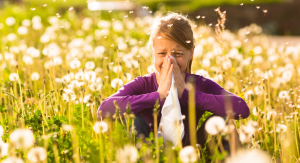
 Springtime brings blooming flowers, warmer temperatures, and, unfortunately, an increase in seasonal allergies. Unfortunately, seasonal allergies in Alabama can be extreme for some residents. For many children, allergies can lead to itchy eyes, redness, and discomfort. Understanding how allergies impact eye health and learning effective ways to manage symptoms is essential for parents.
Meet Marissa Locy, O.D.
To provide expert insight, we spoke with Dr. Marissa Locy from UAB Callahan Eye to answer common questions about eye allergies and how to protect children’s vision during allergy season. Dr. Locy is an assistant professor in the UAB Heerskink School of Medicine. She joined the UAB Department of Ophthalmology and Visual Sciences faculty in 2017 as a Clinical Instructor. She works in both the UAB Center for Low Vision Rehabilitation and a general services clinic in the UAB Callahan Eye Hospital.
1. How does pollen and the spring season impact children’s eye health?
Pollen triggers inflammation within the conjunctiva, the tissue that lines the inside of the eyelids, and the sclera, the white portion of the eyes. This inflammation can lead to uncomfortable symptoms such as itchiness, redness, and watering eyes, affecting daily activities and overall eye health.
2. What are the most common eye allergy symptoms in children?
Allergic reactions can cause itchy, red, watery, and swollen eyes due to histamine release. Kids may also experience burning sensations, light sensitivity, and blurred vision, making it difficult to focus in school or during outdoor play.
3. How can parents reduce their child’s exposure to allergens that trigger eye irritation?
To minimize exposure to allergens, families can limit outdoor activities during peak pollen times, encourage frequent hand and face washing, and avoid rubbing the eyes. Keeping windows closed and using air purifiers indoors can also help reduce pollen exposure.
4. How can parents differentiate between allergy-related eye irritation and an eye infection?
While allergies cause redness and itchiness, infections typically present with mucous or purulent discharge, increased light sensitivity, and eye pain. Infections may also lead to persistent blurred vision and require medical treatment.
5. When is allergy season at its worst for eye health in Alabama?
Spring is often the most challenging time for seasonal allergies in Alabama due to high pollen counts. However, many children also experience eye allergy symptoms in the fall, particularly around September, when different allergens are prevalent.
6. What at-home remedies can help relieve allergy-related eye symptoms in kids?
Parents can try over-the-counter artificial tears, cool compresses, and anti-allergy eye drops to provide relief. Oral antihistamines can also help reduce symptoms, but it’s important to monitor for any side effects with their use, such as drowsiness.
7. When should parents take their child to an eye doctor for allergy-related symptoms?
If over-the-counter treatments fail to provide relief or if symptoms worsen, it’s best to seek professional care. Prescription treatments, including stronger antihistamine eye drops or other allergy medications, may be necessary for severe cases.
8. Can seasonal allergies temporarily affect vision in children?
Yes, allergies can lead to temporary blurred vision, often fluctuating throughout the day. This is caused by inflammation and excessive tearing, which can disrupt clear vision.
9. What are the best treatment options for managing eye allergies in kids?
There are various over-the-counter and prescription treatments available, including eye drops and oral medications. These are often antihistamines or mast cell stabilizers. In more severe cases, prescription steroid eye drops or allergy shots may be recommended by an eye specialist.
10. Are there any special considerations for children with dry eye syndrome and seasonal allergies?
Children with dry eye syndrome should be cautious when using allergy medications, as some treatments can exacerbate dryness. Consulting an eye care provider before starting any new allergy treatments is advisable to prevent further discomfort.
Final Thoughts on Eye Health During Allergy Season
Protecting children’s eye health during allergy season requires a combination of prevention, symptom management, and professional care when necessary. Limiting exposure to allergens, using at-home remedies, and seeking medical guidance when symptoms persist can help ensure kids enjoy clear, comfortable vision even during intense seasonal allergies in Alabama.
If your child is struggling with persistent eye allergy symptoms, consider scheduling an appointment with an eye care specialist at UAB Callahan Eye for personalized treatment options.