




Polycystic Ovarian Syndrome (PCOS) and endometriosis are two women’s health issues that many people mention, but few really understand. We wanted to learn more about PCOS and endometriosis, including how they affect periods, one’s ability to become pregnant, and even daily life. Women’s health care expert and OB/GYN, Dr. Sarah Whitehead with UAB St.Vincent’s Women’s Health, answered our top ten questions about PCOS and Endometriosis.
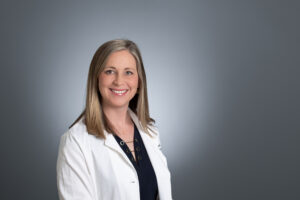
Dr. Whitehead obtained her medical degree from the University of Alabama at Birmingham (UAB) and also completed her residency at UAB. She is board-certified in obstetrics and gynecology and provides gynecological care to girls and women of all ages. Dr. Whitehead has a special interest in treating women with PCOS. She strives to provide compassionate care to each of her patients by listening to and understanding their needs, which helps her develop more effective treatment plans that are right for each patient.
1. What are PCOS and endometriosis, and how do they differ?
PCOS and Endometriosis are two common gynecologic conditions that affect millions of women, but they are very different in their underlying causes.
PCOS is a hormonal and metabolic disorder. Women with PCOS often have elevated testosterone levels. This can lead to irregular periods, acne, excess hair growth, and anovulation, which means that your ovaries don’t ovulate, or release an egg, every month.
Endometriosis is a condition in which spots of tissue that are similar to the lining of the uterus grow in the pelvis. These spots respond to hormonal changes during the menstrual cycle and can cause inflammation, scarring, and significant pain.
2. What are the most common early warning signs of each condition?
For PCOS, early signs often include the following:
- Irregular or missed menstrual cycles
- Acne
- Excess facial or body hair
- Difficulty with weight management
- Thinning hair on the scalp
With endometriosis, the earliest signs are usually related to pain, including the following:
- Painful periods that worsen over time
- Pain with intercourse
- Painful bowel movements or urination during periods
- Fatigue or digestive symptoms during cycles
3. How do those symptoms typically progress over time if left untreated?
Over time, PCOS can lead to long term anovulation, infertility, metabolic issues, insulin resistance, and increased risk of conditions like type 2 diabetes and cardiovascular disease.
Endometriosis can cause more severe pain, formation of scar tissue or adhesions, ovarian cysts called endometriomas, and infertility.
4. How do PCOS and endometriosis affect fertility?
Both conditions can affect fertility, but in different ways.
With PCOS, the main issue is often irregular ovulation. Many women with PCOS do not release an egg consistently each cycle, which can make it harder to become pregnant. The encouraging news is that many women with PCOS do conceive successfully with treatment.
Endometriosis affects fertility through inflammation, scar tissue, and changes in pelvic anatomy. In more advanced cases, adhesions can affect the ovaries or fallopian tubes, making it harder for the egg and sperm to meet.
 5. What should women know if they hope to have children someday—even if they’re not planning a pregnancy right now?
It’s important for women with either condition to understand their diagnosis early, monitor symptoms, and discuss long-term reproductive goals with their healthcare provider. Early awareness can help guide treatment strategies that support future fertility.
6. Are there proactive steps women can take to protect their fertility or improve their health outcomes if they’ve been diagnosed with PCOS or endometriosis?
Yes! It’s important to work with your physician after a diagnosis to protect your future fertility.
For women with PCOS, the goal is to keep ovulation as regular as possible. Important strategies typically include maintaining a balanced diet and regular exercise routine, along with addressing insulin resistance if present. A regular cycle is often evidence of successful management.
For endometriosis, proactive management involves medical and surgical therapies to suppress disease progression.
7. What treatment options are currently available, and how do you determine the best course of action for each patient?
The most important part of care is individualization. Some patients prioritize symptom relief, while others are focused on fertility. Treatment plans should reflect those goals.
For PCOS, treatments may include the following:
- Lifestyle and metabolic management
- Hormonal medications to regulate cycles
- Ovulation-induction medications for fertility
- Treatment for symptoms like acne or excess hair growth
For endometriosis, options may include the following:
- Hormonal therapies to suppress the progression of endometriosis
- Minimally invasive surgery to remove endometriosis lesions
8. What are some common myths or misconceptions about PCOS and endometriosis that you wish more women understood?
One major myth is that heavy or extremely painful periods are “normal.” Severe symptoms should always be evaluated.
Another misconception is that PCOS or endometriosis automatically means you can’t get pregnant. While these conditions can affect fertility, many women with either diagnosis go on to have healthy pregnancies.
There is also a misunderstanding that these conditions are rare, when in reality they are quite common and often under-diagnosed. PCOS affects 2 out of 10 women and endometriosis affects 1 out of 10 women.
Greater awareness can help women seek care earlier and advocate for their health.
9. What encouragement or advice would you give to women who suspect they may have one of these conditions or who are struggling to get answers?
Trust your instincts about your body. If your symptoms are interfering with daily life—whether it’s irregular cycles, severe pain, or difficulty conceiving—it’s important to talk to your doctor. Sometimes it takes persistence to reach a diagnosis, especially with conditions like endometriosis that can take years to identify.
Don’t hesitate to ask questions, seek a second opinion if needed, and advocate for your care. Your symptoms deserve to be taken seriously.
 10. What new research or emerging treatments give you hope for better diagnosis and management in the future?
There is growing research focused on earlier and less invasive diagnosis, particularly for endometriosis, which currently often requires surgery for a definitive diagnosis. We’re also learning more about the metabolic and inflammatory pathways involved in PCOS and endometriosis, which may lead to more targeted therapies. Advances in fertility treatments, improved imaging technologies, and increased awareness among clinicians are all helping move the field forward. The hope is that in the future we’ll be able to diagnose these conditions earlier, treat them more precisely, and reduce the long delays many women currently experience.