




This summer, my family enjoyed plenty of fun in the sun! All of that outdoor time has lots of benefits, including less screen time, more vitamin D production, and better moods. It also brings the risk of skin damage from UV rays, which can cause premature aging and, more importantly, skin cancer. We are pretty vigilant about wearing sunscreen, and my kids are so used to it that they don’t even complain about applying SPF before heading to the pool or park (most of the time)! Despite our efforts, we all look more sun-kissed as the summer comes to an end, which makes now the perfect time to think about skin cancer screening and brush up on ways to prevent sun damage.
A friend of mine was recently diagnosed with melanoma, a type of skin cancer, at just over 40 years old. Fortunately, her dermatologist was able to completely remove the area and will continue to watch her closely. Her story has made me much more aware of the need to protect myself and my family from the sun.
Aren’t I too young to have skin cancer?
While most skin cancers are detected in people over 65 years old, melanoma is one of the most common cancers diagnosed in young adults. Cases of melanoma are also increasing in our age group, especially in women. (Remember all of that time you spent by the pool or at the tanning bed in your teens?) That’s why it’s recommended to start skin cancer screenings in your 20s-30s and increase the frequency as you reach your 40s.
What do I look for?
Just do your ABC’s! This breakdown is easy to remember and will help you know what to look for.
A: Asymmetry
Moles or skin spots that do not look the same on both sides.
B: Borders
Moles or skin lesions with irregular, blurred, or ragged edges.
C: Color
Skin marks that can contain brown, black, red, white, and even blue areas.
D: Diameter
Skin spots greater than 6mm, or the size of a pencil eraser. Some melanomas can be smaller though, so pay attention to other warning signs.
E: Evolving
Moles that are changing size, shape, color, or become itchy, crusty, or begin to bleed.
I found a funny looking spot! What do I do now?
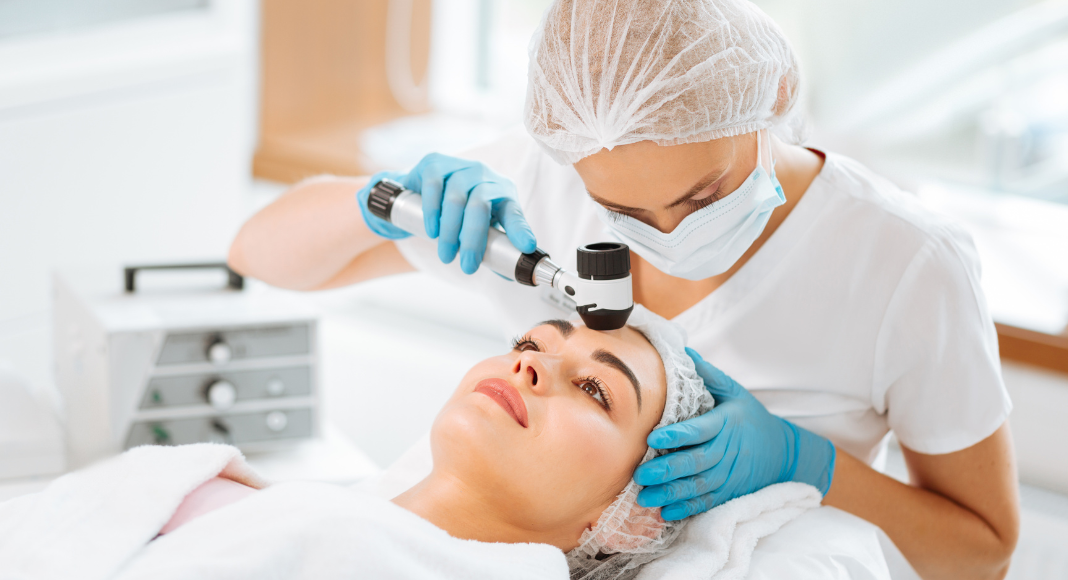
If you find anything that you think could be concerning for skin cancer, visit your local dermatologist. The Birmingham area has many great dermatologists who are experts in evaluating and treating skin cancers. They can also suggest ways to better to protect your skin. People with a family history of skin cancer or heavy sun exposure will benefit from regular skin exams. Your dermatologist can help you make a personalized plan for how often you should come in for skin checks.
How do I avoid getting skin cancer?
Stay out of the sun
No, I don’t mean that you should just sit inside all day! When you can, find shady areas outside that will shield you from the sun. Hats and long sleeves ensure that your skin stays protected from the sun’s harmful rays. Avoid tanning beds and opt for a spray tan if you really love the look of a sunny glow.
Wear sunscreen
There are two main categories of sunscreen:
- Mineral sunscreen provides a physical barrier between your skin and the sun. It is typically made of zinc oxide or titanium oxide. It can leave a white cast on the skin, but works instantly and is often better for those with sensitive skin.
- Chemical sunscreen takes about 20 minutes to soak into your skin, but it is easier to apply and is less noticeable compared to mineral sunscreen. This sunscreen absorbs UV rays, converts them to heat, then releases that heat from your skin. Chemical sunscreen is great to wear all year long and can even be applied under make up to ward off skin cancers, and, as a bonus, prevent wrinkles.
Both types of sunscreens are effective at preventing sun damage that can lead to skin cancer. Look for sunscreen with an SPF of 30-50, and reapply at least every two hours if you remain out in the sun. For a deep dive into sunscreen tips, check out our Sunscreen Survival Guide.
Summer is over. Can’t I put up my sunscreen now?
In Birmingham, we get to enjoy lots of sunshine and outdoor activities most of the year, not just in the summer! Any time of the year is the right time to think about preventing skin cancer and to notice changes that call for a trip to your friendly dermatologist. In fact, The Skin Cancer Foundation recommends performing self skin checks every month and getting skin exams by a dermatologist once a year. As summer draws to an end, now is the perfect time to check on your skin. Even if you grew up never seeing a bottle of sunscreen, it’s never to late to establish good habits to keep yourself and your family safe and healthy!