




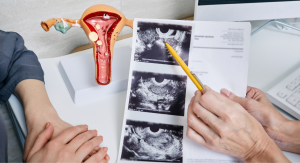
 Most women have heard of fibroids, but did you know that the majority of women will be diagnosed with fibroids at some point in their lives? In fact, there is a good chance you have them currently or had them in the past without even knowing it. We sat down with these experts from UAB Medicine to get the full picture of uterine fibroids and how they are treated.
Dr. Richard Burney has been in the field for over 20 years. He serves as the Director for the UAB Division of Reproductive Endocrinology and Infertility (REI). In addition, he started and directs the REI fellowship training program. The REI Division at UAB evaluates and treats women affected with fibroids who are interested in current or future fertility.
Dr. Todd Jenkins has treated women with uterine fibroids for the last 25 years and is fellowship-trained in minimally invasive gynecologic surgery. With such a large percentage of women affected, it’s essential to understand what fibroids are, how they can impact your health, and the various treatment options available.
What are uterine fibroids?
Uterine fibroids are non-cancerous growths that develop in the muscular wall of the uterus. They form when a cell in the uterus starts dividing uncontrollably. Fibroids vary in size and location, and most women will have them without even noticing. There are three main types of fibroids:
- Subserosal Fibroids: Located on the outer wall of the uterus, these are the most common type.
- Intramural Fibroids: These grow within the uterine wall.
- Submucosal Fibroids: These grow inside the uterine cavity, often leading to more severe symptoms and fertility issues.
Fibroids are generally influenced by hormones, which is why they tend to grow during a woman’s reproductive years and shrink after menopause. The size, number, location, and symptoms of fibroids can vary widely from one person to another.
How are fibroids detected?
Fibroids can be discovered through a pelvic exam during a routine visit to the OBGYN or by imaging, such as an ultrasound or MRI. Saline infusion sonohysterography (SIS) is a specific kind of ultrasound performed to detect submucosal fibroids. Sterile fluid is used to expand the uterus, allowing for a clearer view of the uterine cavity.
What are common and uncommon symptoms?
Fibroids don’t always cause symptoms, and, in fact, up to 70% of women with fibroids may not experience any noticeable signs. However, for those who do, symptoms can be severe and may include:
- Heavy menstrual bleeding or prolonged periods
- Pelvic pressure or pain
- Frequent urination or difficulty emptying the bladder
- Constipation
- Pain during intercourse
Less common symptoms may include fertility issues, as fibroids can impact a woman’s ability to conceive. The size, number, and location of fibroids play a crucial role in determining the severity of symptoms. When fibroids grow large or in certain areas, they can put pressure on nearby organs and cause additional signs and symptoms.
How do fibroids affect fertility?
Fibroids can impact fertility in a few ways. First, they can prevent implantation. When a fibroid protrudes into the uterine cavity, it can prevent an embryo from attaching to the uterine wall. If implantation does occur, fibroids can lead to miscarriage or early delivery. Fibroids may also affect the number of sperm that can enter the uterus and can block the fallopian tubes, which are responsible for transporting the embryo to the uterus.
What treatment options are available?

At UAB Medicine, patient care for fibroids involves a collaborative approach between UAB Obstetrics and Gynecology and UAB Interventional Radiology. This allows a patient to explore all of their options and receive treatment tailored to their unique situation and desires. With nationally recognized specialists utilizing the latest technology, UAB Medicine offers the most advanced care available. Treatment options include medical and surgical management:
1. Medical Management
- Pain Medications: To help manage fibroid-related pain and discomfort.
- Hormonal Medications: Can help regulate heavy menstrual bleeding caused by fibroids.
Medical management may be suitable for women whose primary concern is symptom relief and who are not focused on fertility preservation.
2. Surgical Management
Surgical options are varied and continue to evolve. Contrary to the belief that a hysterectomy (removal of the uterus) is the only solution, several less invasive treatments are now available:
- Myomectomy: This procedure involves surgically removing the fibroids while preserving the uterus. Women who wish to maintain fertility can often benefit from myomectomy, though a caesarian section may be required during pregnancy after this procedure.
- Radiofrequency Ablation (RFA): A minimally invasive procedure in which heat is used to shrink fibroids. Recovery time is typically short (3-5 days), and it offers relief from symptoms. Early data suggests that women who become pregnant after RFA may be able to have a vaginal delivery should they become pregnant in the future.
- Uterine Fibroid Embolization (UFE): This minimally invasive procedure, performed by a radiologist, involves blocking the blood supply to fibroids, causing them to shrink. Since UFE blocks blood flow to the uterus, it’s typically not recommended for women planning to have children in the future. The procedure is generally performed on an outpatient basis with a short recovery time.
- Hysterectomy: A hysterectomy may be necessary in cases where other treatments are ineffective. This procedure completely removes the uterus, eliminating fibroids permanently. Recovery time for a hysterectomy is generally 4-6 weeks.
The Importance of Personalized Fibroid Care
Fibroids affect each woman differently. It’s essential to consult with a specialized care team that can tailor treatment to your specific needs. At UAB Medicine, experts including Dr. Burney and Dr. Jenkins work together to help women make informed decisions about their care, whether their primary concern is symptom relief, fertility preservation, or long-term health outcomes.
Take Control of Your Health
If you suspect you have fibroids or are struggling with any of the symptoms mentioned above, don’t hesitate to reach out to a healthcare provider. Early detection and personalized treatment can significantly improve your quality of life and reproductive health.
By understanding the full range of treatment options and working with experienced specialists, women can take control of their fibroid-related health concerns and make choices that align with their unique needs and desires.