




 Back-to-school shopping gets plenty of attention, but preparing your child for a healthy school year involves more than buying new shoes and school supplies. As Alabama families get ready for another year of learning, now is a great time to reset healthy routines and make sure your child has the support they need to thrive.
Sleep, physical activity, mental well-being, and preventive healthcare all play an important role in a child’s ability to manage the demands of school. Parents can use this simple back-to-school health checklist to prepare children and teens for a healthy start to the school year.
For additional family health information and resources, Alabama families can visit AlabamaFamilyCentral.org.
1. Make Sleep a Back-to-School Priority
A consistent sleep schedule can help children arrive at school rested, focused, and ready to learn.
Children ages six to twelve should get nine to twelve hours of sleep each night, while teens should aim for eight to ten hours. Getting enough sleep supports learning, memory, concentration, and emotional well-being.
Summer often brings later bedtimes and more relaxed morning routines. Start adjusting your child’s schedule before the first day of school instead of waiting until the night before. Move bedtime and wake-up time gradually until you reach a schedule that works for your family.
You can also create a predictable bedtime routine. Encourage your child to take a shower, read, listen to calming music, or talk with you about the day before heading to bed.
A consistent routine can help children transition from summer freedom to the structure of the school year.
2. Limit Screen Time Before Bed
Screens have become an everyday part of children’s lives. Kids use phones and tablets to communicate with friends, complete schoolwork, and relax, but screen use right before bedtime can interfere with a healthy nighttime routine.
Set a family expectation that children will put away phones, tablets, gaming devices and other screens before bedtime. Creating a screen-free period before bed gives children time to wind down and prepare for sleep.
Parents can make the transition easier by charging devices outside the bedroom or establishing a designated location where the entire family puts devices at night.
Instead of ending the day with a screen, encourage activities such as reading, talking, stretching or listening to music. These simple habits can help children develop a healthier bedtime routine and improve their opportunity for quality sleep.
3. Encourage 60 Minutes of Physical Activity Every Day
Children need regular movement to support their physical and emotional health. Aim for at least 60 minutes of physical activity each day.
Physical activity does not have to mean organized sports. Encourage your child to ride a bike, walk the dog, play outside, swim, dance, run around with friends or participate in a favorite sport.
Busy school schedules can make it challenging to fit in enough movement, so look for simple opportunities throughout the day. Walk together after dinner, encourage outdoor play after school or choose an active weekend activity for the whole family.
Regular physical activity can also give children a healthy way to manage stress and energy as they adjust to the demands of school.
4. Watch for Changes in Your Child’s Health and Behavior
Parents often notice changes in their children before anyone else does. As your child settles into a new school year, pay attention to changes in appetite, sleep, grades, friendships, mood, or behavior.
A significant change does not automatically mean that something is wrong. However, it can allow you to check in with your child and learn how things are going.
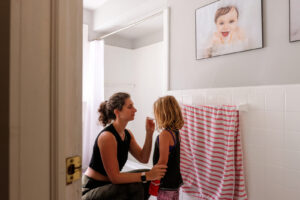
For example, a child who suddenly has trouble sleeping, loses interest in activities, struggles academically, or withdraws from friends may need additional support. Ask open-ended questions and create opportunities for regular conversations rather than waiting for your child to bring up a concern.
Make emotional health part of your back-to-school routine. Ask your child about the people they spend time with, what they enjoy about school, and what feels difficult. These conversations can help you identify concerns early and remind your child that they have someone they can turn to.
5. Schedule an Annual Well-Child Visit
A well-child visit allows your healthcare provider to monitor your child’s growth and development and address questions about nutrition, sleep, physical activity, emotional health and other age-appropriate concerns.
Use the appointment to make sure your child’s routine healthcare remains up to date. If your child participates in sports or other physical activities, ask the healthcare provider whether your child needs a sports physical or any additional documentation before practices begin.
Don’t wait until the school year gets busy to schedule an appointment. Getting preventive care on the calendar now can give your family one less thing to worry about once homework, practices, activities and school events fill up the calendar.
Your Back-to-School Health Checklist
As you prepare your family for the new school year, keep these five health priorities in mind:
- Help children ages 6 to 12 get 9 to 12 hours of sleep each night and encourage teens to get 8 to 10 hours of sleep each night.
- Aim for 60 minutes of physical activity every day.
- Limit screen time before bedtime.
- Watch for changes in appetite, sleep, grades, friendships or behavior.
- Schedule your child’s annual well-child visit before the schedule gets too busy.
Healthy routines don’t have to be complicated. Small, consistent habits can make a big difference in how children feel, learn, and handle the challenges of a new school year.
Find More Alabama Family Health Resources
Back-to-school preparation involves much more than school supplies and new clothes. When families prioritize sleep, movement, preventive healthcare and emotional well-being, they give children a stronger foundation for a successful school year.
If you’re looking for additional Alabama family resources, health information, and support for your children, visit AlabamaFamilyCentral.org. The site provides resources designed to connect Alabama families with helpful information and services.
Before the backpacks are packed and the school bells ring, take a few minutes to check in on your family’s health routines. A little preparation now can help your child start the school year feeling rested, supported and ready to learn.